News


S'porean dad, 61, seeks S$390,000 for life-saving surgery for son, 16, with rare congenital heart defect
Without the procedure, he might just "slowly fade away", his father said.
June 05, 2026, 01:43 PM
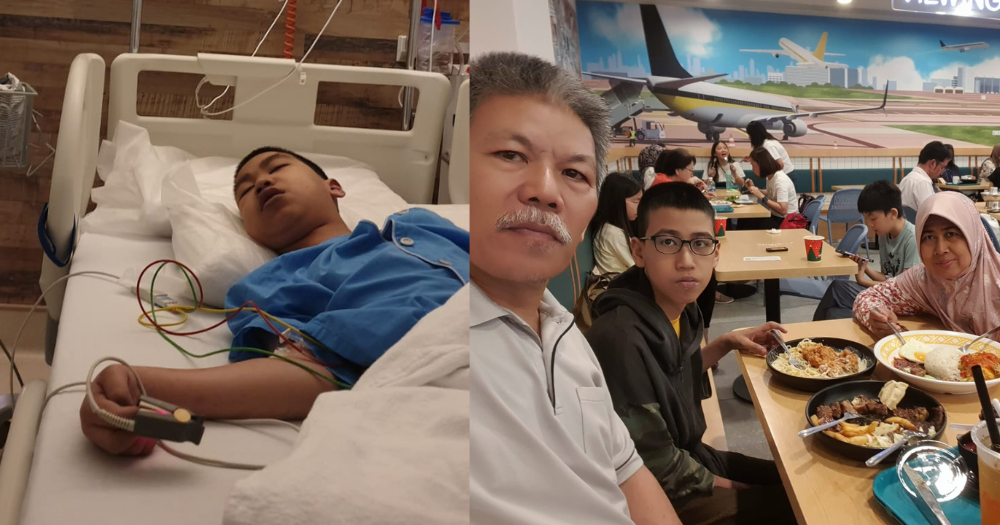
Photos from Muhammad


Born with a single ventricle heart defect, Muhammad Rauf spent the first two to three years of his life undergoing several major surgeries.
When he was around four, he got a pacemaker implanted that allowed him to live a fairly stable life for the next 12 years.
Then everything changed in January 2026.
He started getting tired more easily, prompting his parents to take him out of school indefinitely.
He was hospitalised in April due to fluid retention, and that was when his parents realised he might only get worse.
"He will just deteriorate to a certain point where something will give way," Rauf's father, Muhammad, told Mothership.
The surgeon who had operated on Rauf when he was a toddler recommended a procedure that Muhammad called "life-saving".
"It's vital," he said. "[He has] to do the surgery, because if not, [he] will just slowly fade away."
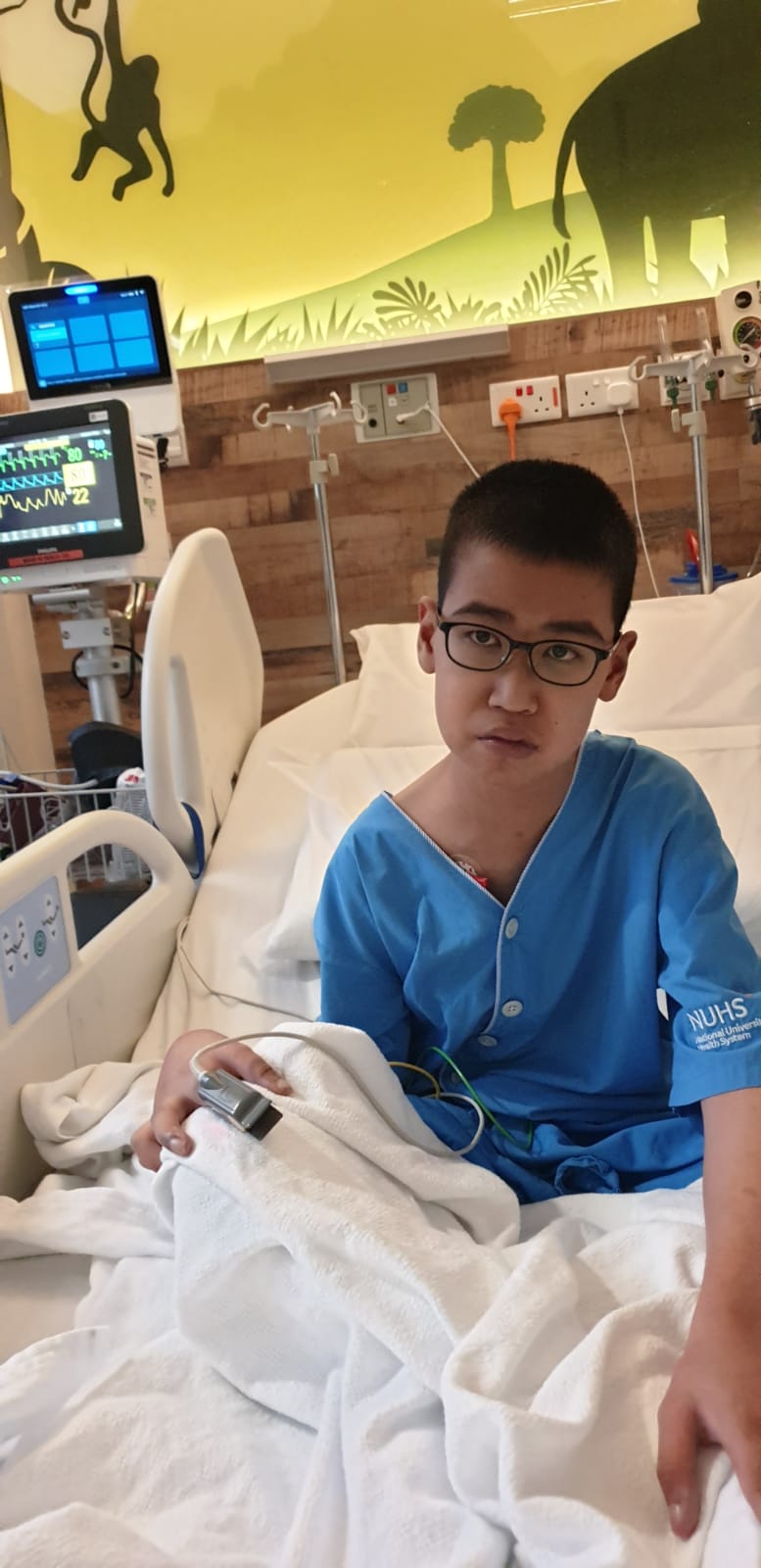 Photo from Muhammad
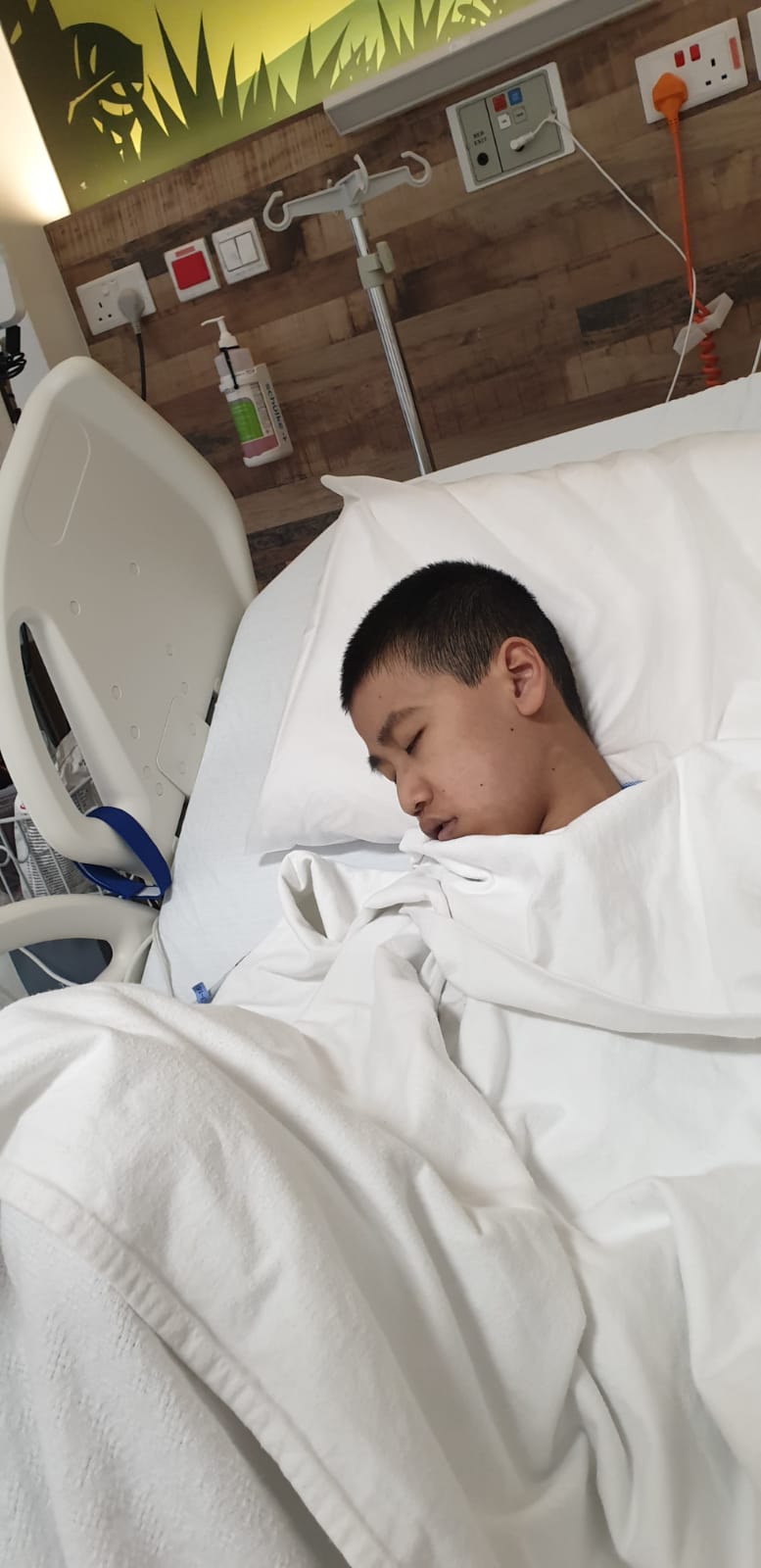 Photo from Muhammad
A different heart
The doctors detected the problem when Rauf was still in his mother's womb.
Unlike a healthy heart, which has two ventricles pumping blood, he had only one that worked, preventing his heart from pumping blood to his lungs and body the usual way.
Both oxygenated and un-oxygenated blood mix in his body, resulting in insufficient oxygen.
In his father's words, "the good and the bad blood is flowing all over the body".
The 61-year-old described the condition as a spectrum disease that Rauf got a severe form of. "It depends on your luck," he said.
Before Rauf even turned one, he went through an open-heart surgery to reroute his blood flow.
Not all the procedures went smoothly. When he was two, a surgery triggered a stroke on the right side of his body.
A "normal life"
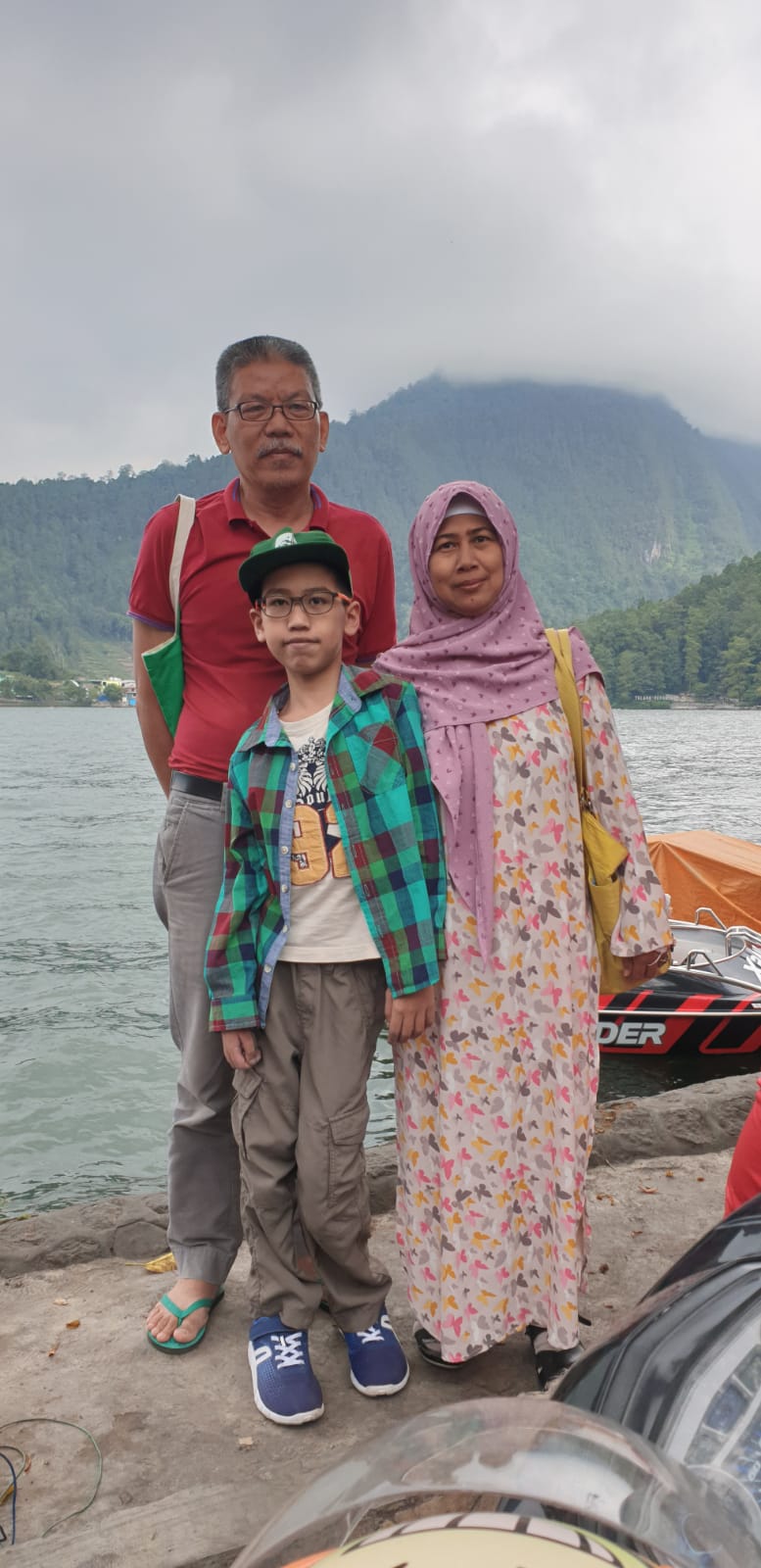 Photo from Muhammad
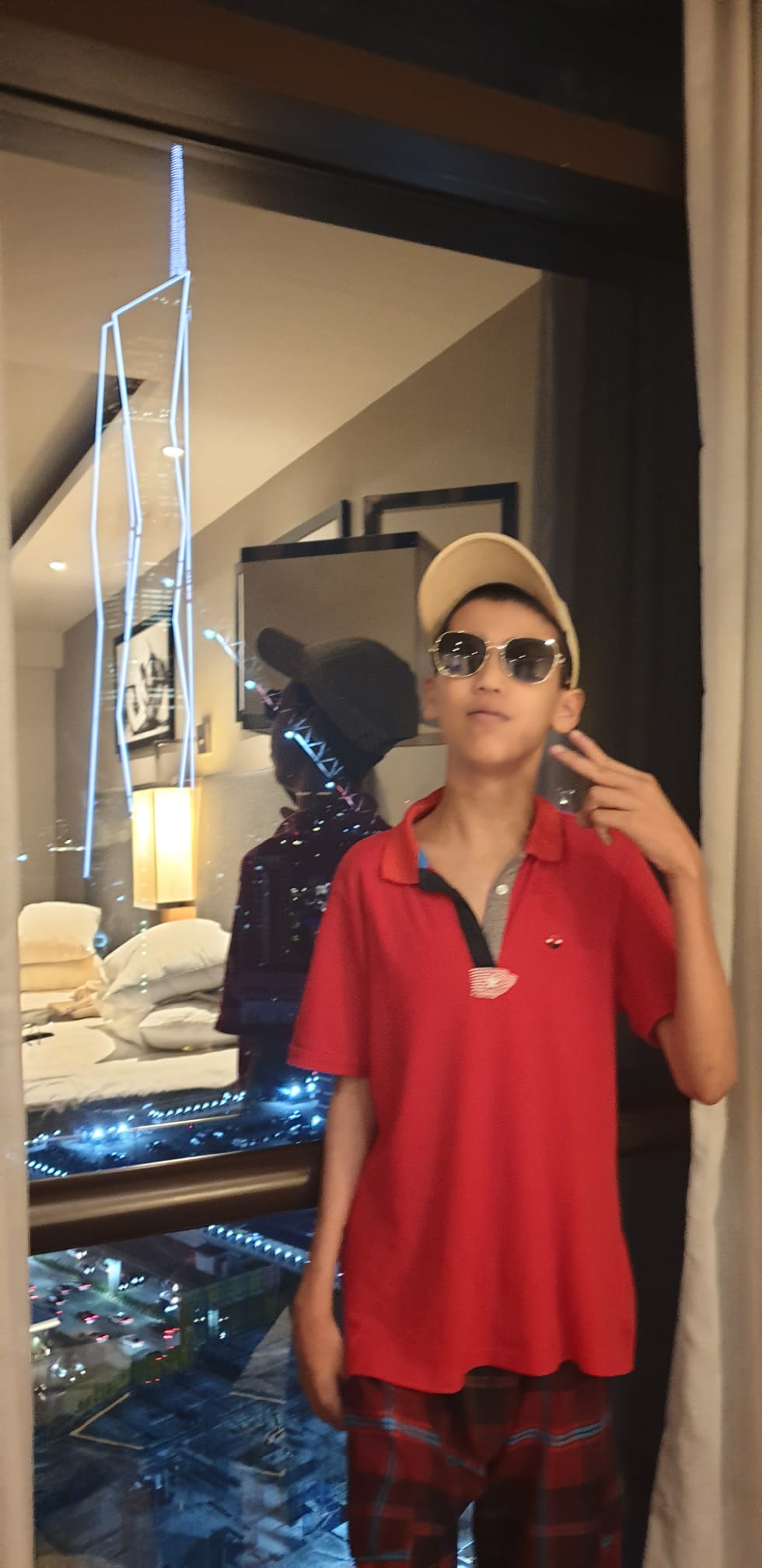 Photo from Muhammad
Though he was not able to lead an active lifestyle growing up, Rauf fought to live as normal a life as he could.
"He goes to school normally, like any other secondary four student," Muhammad said. "He just lives as he can live. What he can do, he does."
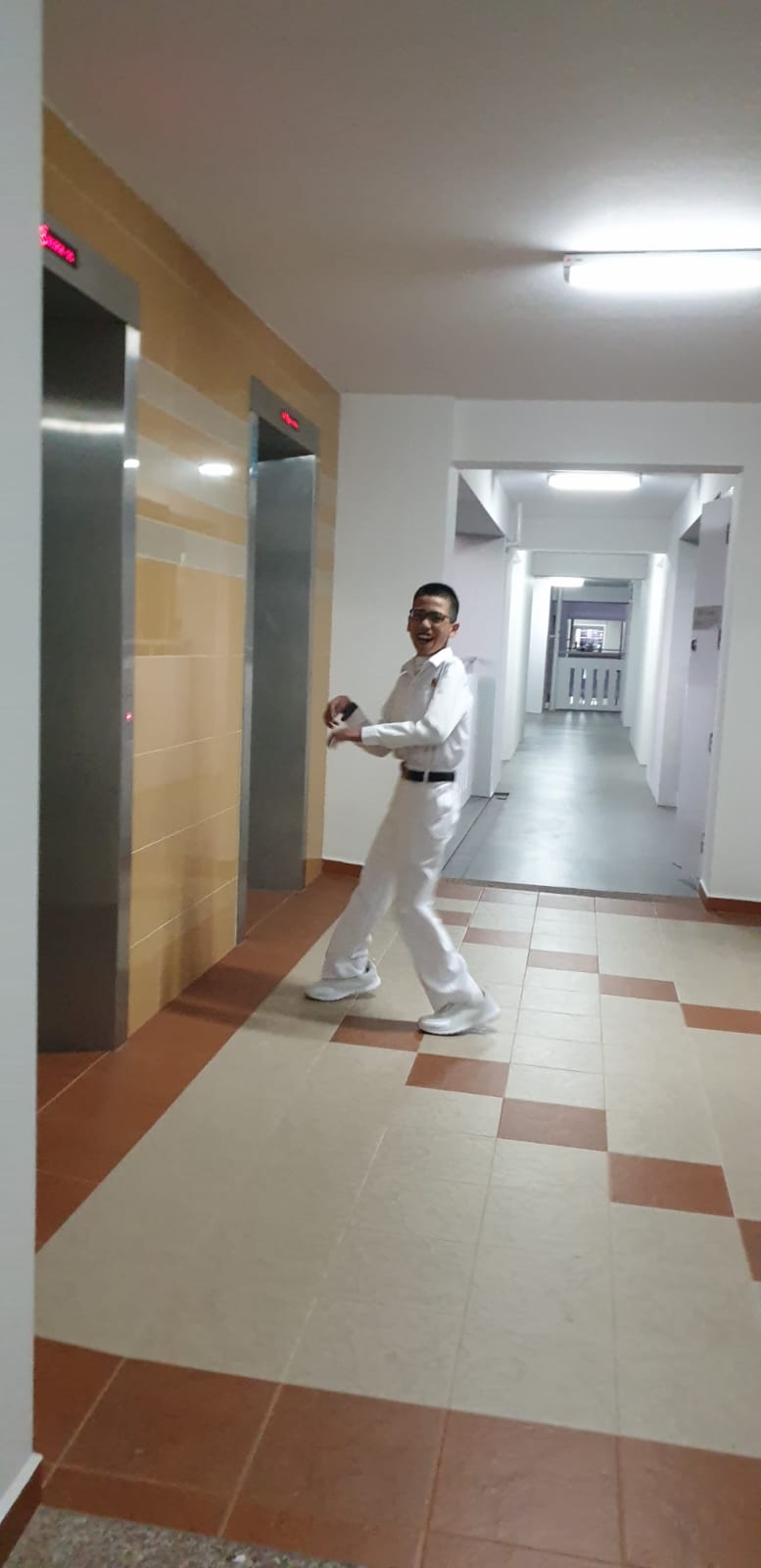 Photo from Muhammad
Now, Rauf has to stay home and avoid moving too much.
His activities have been limited to mostly watching TV and playing games, in between taking nine to 10 different types of medication.
"I think he wants to be normal," his father said. "He wants to go back to school, because...[there] he has his classmates, and he has school activities that keep him busy. He misses all these activities."
Need to act fast
Although Rauf may only experience symptoms intermittently now, Muhammad described his state as a "suspension just waiting to go down".
"It's not going to improve, it's conditional," he said. "Maybe it's going to stabilise, or maybe it's going to go down, down, down, then eventually, there's a point where the body will just give up."
He and his wife knew they needed to act fast and get Rauf the surgery while he was still relatively stable.
However, they did not have the financial means to afford the S$390,000 procedure that could potentially save Rauf's life.
The couple trusts the surgeon who recommended it, given his close familiarity with Rauf's medical history, but that surgeon has since moved to private practice, raising the cost of the procedure.
Rauf is the only child, and only Muhammad is currently working to support the family.
Seeking help from the public, the couple has put up a fundraiser campaign, and to date has raised over S$109,500 from more than 1,700 donors, nearly reaching the first goal.
"We need the support," Muhammad said with urgency.
You can donate to the campaign here.